




A cat with a sensitive stomach: what to change, and in what order
Most people arrive at this question after buying an expensive hypoallergenic food that did not help. The reason is usually that the problem was never an allergy. True food allergy in cats is uncommon, and the far more frequent causes are eating too fast, an abrupt food change, dairy, hairballs, or a stale bag. Those are cheap to test, and testing them first saves both money and weeks.
Last updated
Try these before you change the food at all
Eating too fast is the single most common cause of a cat vomiting undigested kibble within minutes of a meal. If the food comes back up whole and the cat is otherwise bright and eating again straight away, that is speed, not sensitivity. Spread the portion on a flat plate, use a slow feeder, or split the same amount into three smaller servings.
A sudden food change is the second. Any switch needs seven to ten days. If you changed food this week and the stools went soft, go back to the old food and redo the change slowly.
Cut dairy entirely. Most adult cats are lactose intolerant, and cow milk is a common cause of exactly these symptoms in a household that thinks it is being kind.
Check the bag date and how long it has been open. Oxidised fat in a bag left open for two months upsets stomachs and is invisible.
Hairballs look exactly like a stomach problem
A cat bringing up a tube-shaped mass with hair in it is not vomiting food, it is clearing fur. This is common in long-haired cats, in shedding season, and in cats that over groom because of stress or itchy skin.
The answer here is fibre and brushing, not a sensitivity diet. A hairball formula adds fibre so fur passes through rather than coming back up, and two minutes of brushing a day removes the loose fur before the cat swallows it. If a cat is retching repeatedly without producing anything, that is different and needs a vet.
Now change the food, and change one thing
If the cheap tests did not fix it, move to a sensitive digestion formula and give it a fair trial of six to eight weeks. Shorter than that and you cannot tell whether it worked.
Change one variable. If you switch food, brand and feeding routine in the same week and things improve, you have learned nothing and will be back here at the next problem. Keep a note of what you changed and when.
If you genuinely suspect a protein allergy, the useful move is a novel protein the cat has not eaten before, rabbit or duck rather than the chicken most foods are built on. That is a real diagnostic step. Doing it properly means feeding that protein and nothing else, no treats, for the whole trial, which is the part most households find hardest.
When to stop reading and call the vet
Go today if there is blood in vomit or stool, if the cat has not eaten for twenty four hours, if it is lethargic as well as sick, if vomiting is repeated within a day, or if there is weight loss you can feel.
A cat that stops eating is a genuine emergency in a way a dog is not. Cats can develop serious liver problems within days of not eating, and it happens faster in an overweight cat. No guide, including this one, is a substitute for that phone call.
What we would pick, and why
-
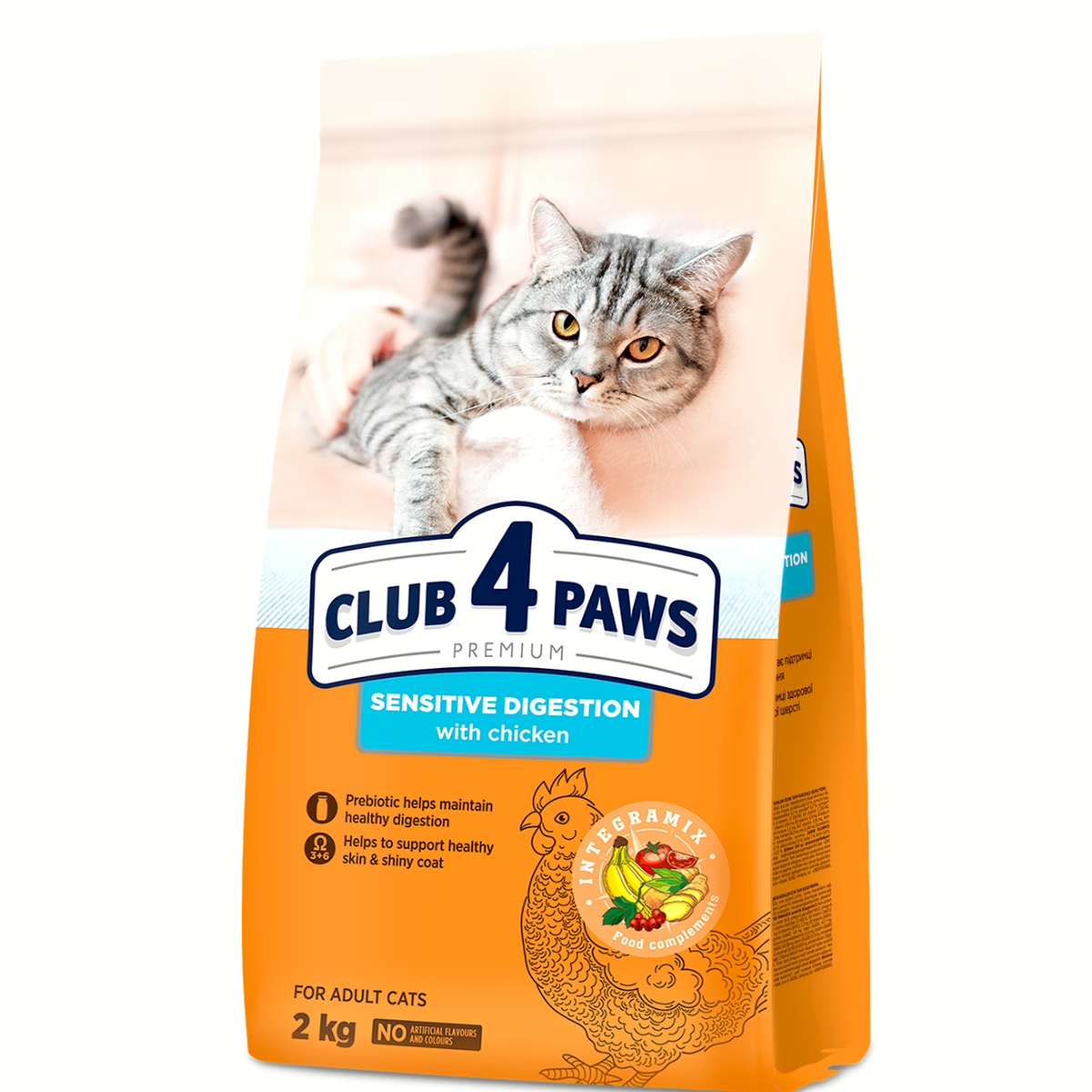 Sensitive Digestion, (Chicken)
Club 4 Paws
Sensitive Digestion, (Chicken)
Club 4 Paws
The direct answer once the cheap causes are ruled out. Tagged for both sensitive and digestion, and priced so a six week trial is not a painful commitment.
-
 Wet Food, Rabbit in Jelly
Club 4 Paws
Wet Food, Rabbit in Jelly
Club 4 Paws
Rabbit is a novel protein for most cats, which makes it the useful thing to try if you suspect chicken. Wet also helps if the cat eats too fast.
-
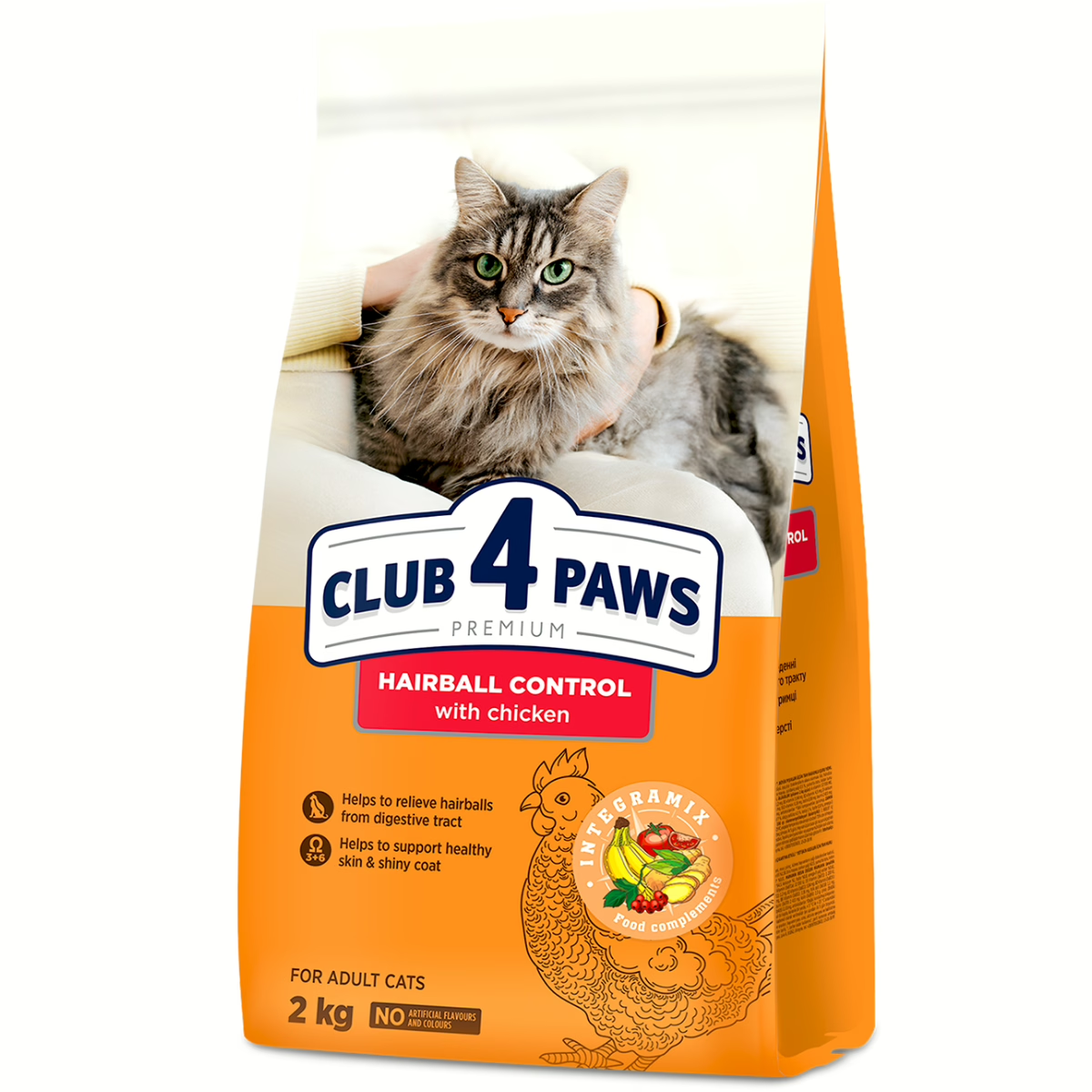 Hairball Control, Chicken
Club 4 Paws
Hairball Control, Chicken
Club 4 Paws
If what comes up has fur in it, this is the right shelf and a sensitivity diet is the wrong one. Pair it with brushing.
-
 Wet Food, Rabbit in White Sauce (3+1 Pack)
Optimeal
Wet Food, Rabbit in White Sauce (3+1 Pack)
Optimeal
Four pouches for the price of three, rabbit, tagged for digestion. A cheap way to run a novel protein trial without committing to a large bag first.
Questions we get asked
My cat vomits right after eating. Is it an allergy?
Almost certainly not. Food coming back up whole within minutes, with the cat bright and hungry again, is eating too fast. Spread the food on a flat plate or split it into three servings and see whether it stops before you spend on a special diet.
How long before I know a new food is working?
Six to eight weeks, and only if nothing else changed. Judging a food after a week tells you about the transition, not the food. Keep treats and table scraps out of the trial or the result means nothing.
Is grain free the answer for a sensitive stomach?
Rarely. When cats do react to a food it is far more often to a protein such as chicken or beef than to grain. Grain free swaps grain for potato or pea and changes nothing about the protein, which is why so many people try it and see no difference.
Can I give milk to settle the stomach?
No. Most adult cats are lactose intolerant, and cow milk is a common cause of the loose stools people are trying to treat with it. Water is what a cat with an upset stomach needs.