




Sterilised cat food: what actually changes after the operation
Neutering removes the sex hormones that were quietly burning energy and suppressing appetite. Within about 48 hours a cat needs meaningfully fewer calories and often wants more food, not less. That gap is why so many cats get visibly heavier in the six months after the operation, and it is entirely preventable by changing what is in the bowl rather than fighting over how much is in it.
Last updated
The calorie drop is real, and it is fast
Published feeding research puts the resting energy requirement of a neutered cat roughly 20 to 30 percent below an intact one of the same weight. Appetite moves the other way. A cat that ate a measured bowl happily before the operation may start finishing it in a minute and asking again.
The practical result is that keeping the same food at the same portion is a slow weight gain, and keeping the same food at a smaller portion leaves the cat hungry and vocal. Food designed for sterilised cats solves it differently: fewer calories per gram, more protein and fibre per calorie, so the same physical volume in the bowl carries less energy and still feels like a meal.
Urinary health is the other half, and it is the expensive half
A neutered cat that moves less also drinks less and urinates less often, which concentrates the urine. Concentrated urine is where struvite crystals form. In a male cat a blockage is a same-day emergency, and in Jordan an after-hours vet visit for one costs many times a year of better food.
This is why sterilised formulas control mineral content and aim for a slightly acidic urine pH rather than simply cutting fat. If you read only one thing off the label, read whether it says anything about urinary pH or magnesium. A food that is merely "light" is a diet food, not a sterilised food.
Wet food helps here more than any supplement. A pouch is roughly three quarters water, so feeding some wet food daily raises total water intake without asking the cat to drink more. Mixing wet and dry is not a compromise, it is the point.
When to switch, and how
Switch once the cat is eating normally again after surgery, usually within a few days. There is no benefit to waiting for weight gain to appear, because taking weight off a cat is far harder than never letting it arrive.
Move across seven to ten days so the gut flora keeps up: three quarters old food for two days, then half and half, then a quarter old, then fully across. If stools loosen, hold at the current ratio for two extra days rather than pushing on.
What we would not tell you on a product page
A sterilised formula is not required. A healthy neutered cat on ordinary adult food, fed a properly measured portion and given wet food most days, does fine. The formula makes the measuring forgiving, which matters because most people do not weigh food.
And if your cat is already overweight, food alone will not fix it. Portion control, a second feeding spot to force movement, and play before meals do more than any bag. Ask the vet for a target weight and work to that number, not to how the cat looks.
What we would pick, and why
-
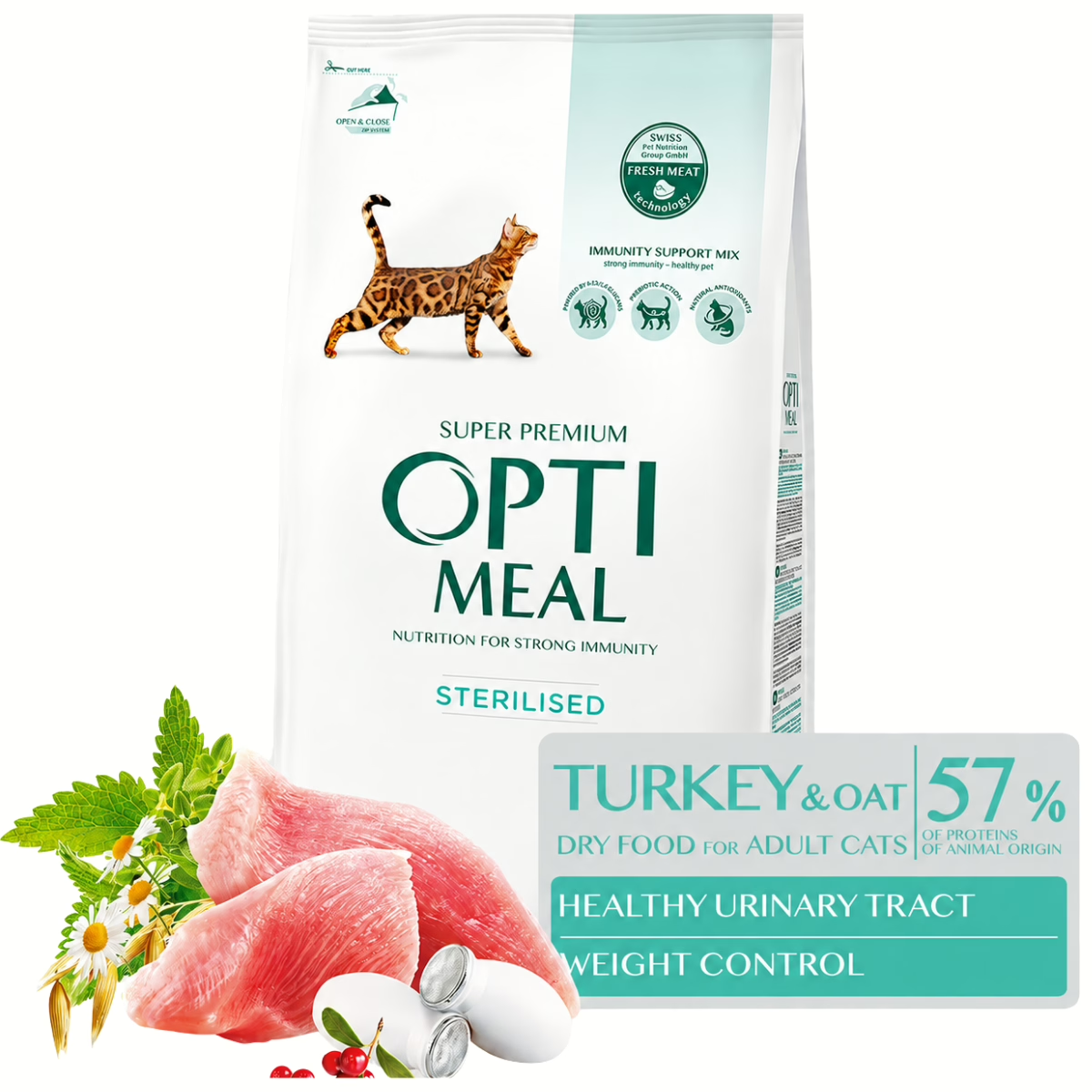 Sterilised Cat, Turkey & Oat
Optimeal
Sterilised Cat, Turkey & Oat
Optimeal
The most complete brief of the dry options here: sterilised, urinary and weight, plus digestion and immunity. A sensible default if you want one bag and no thinking.
-
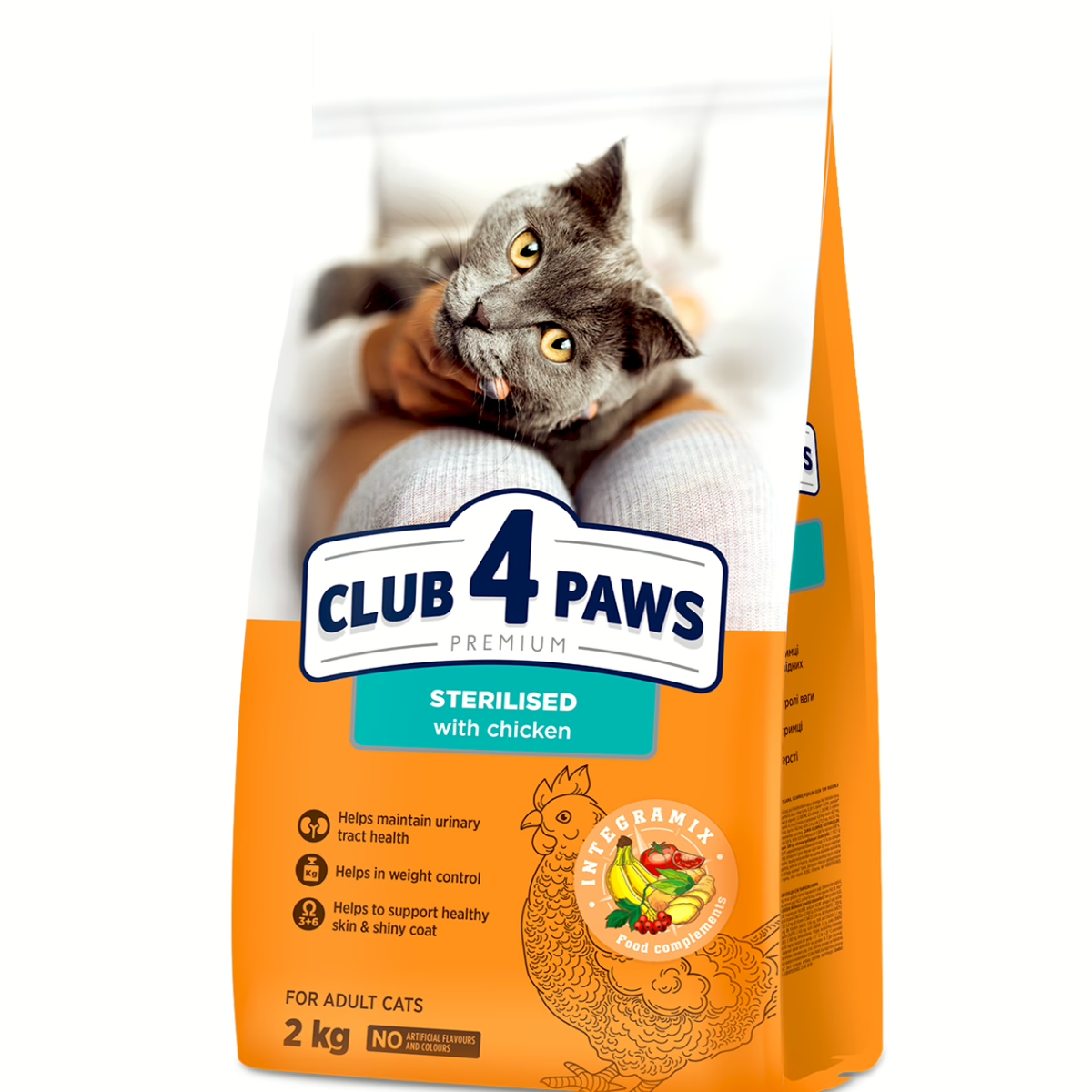 Sterilized Cat , Chicken
Club 4 Paws
Sterilized Cat , Chicken
Club 4 Paws
The cheapest way into a sterilised formula. Covers the three things that matter after neutering and nothing more, which is fine.
-
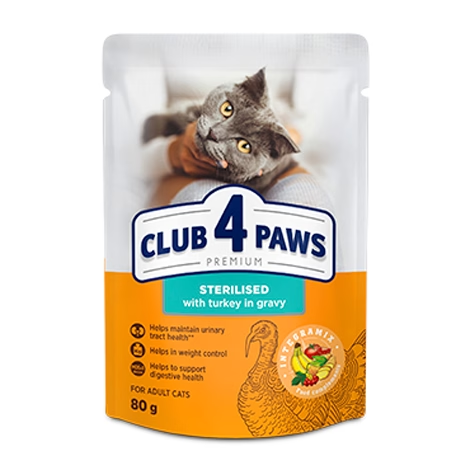 Sterilised Cats, Turkey in Gravy
Club 4 Paws
Sterilised Cats, Turkey in Gravy
Club 4 Paws
The wet half of the plan, and the cheapest pouch on this list. One a day alongside dry food is the single easiest thing you can do for urinary health.
-
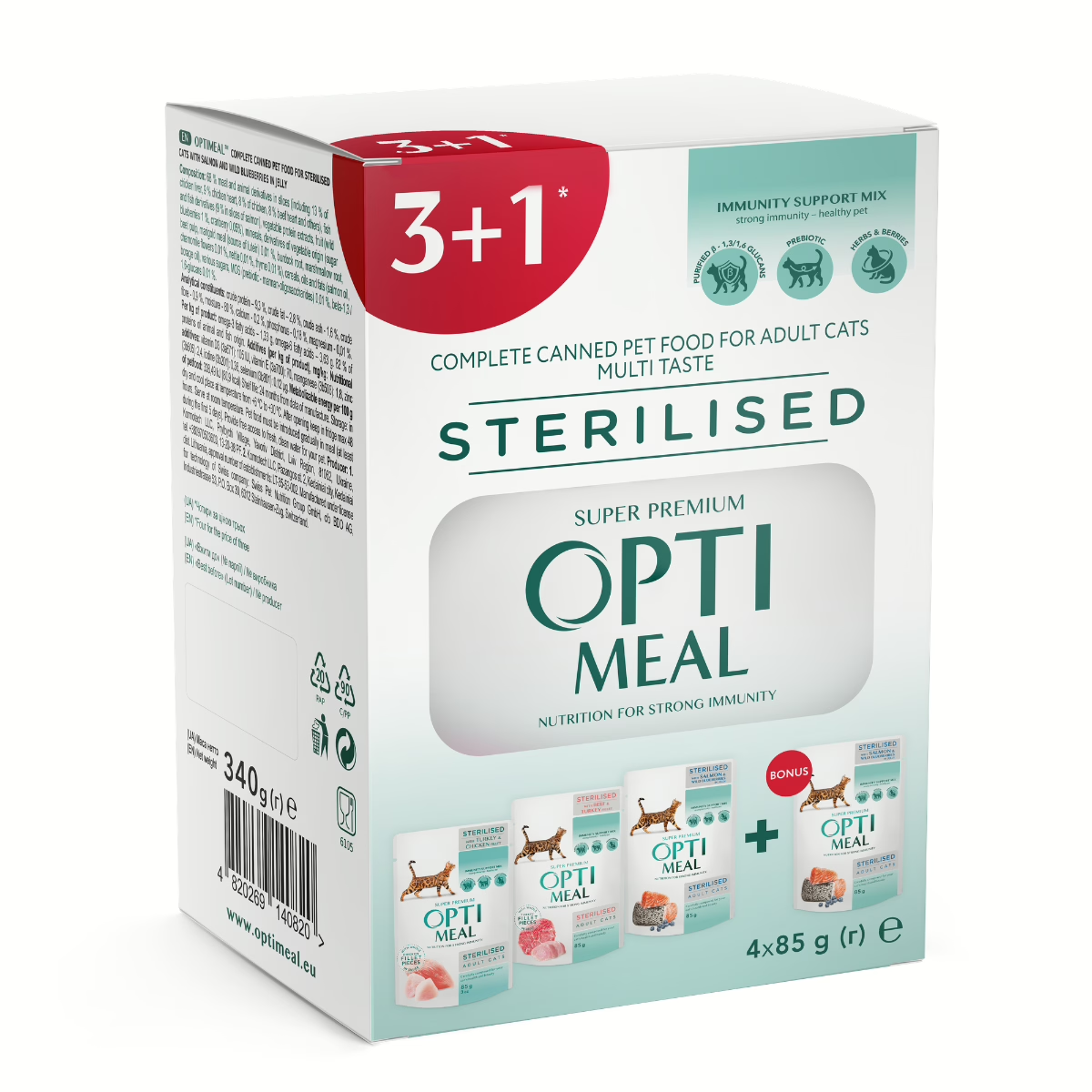 Sterilized, Mixed Flavors (3+1 Pouch Pack)
Optimeal
Sterilized, Mixed Flavors (3+1 Pouch Pack)
Optimeal
Four pouches for the price of three, in mixed flavours. Useful when a cat gets bored of one taste and starts leaving wet food, which is the usual reason people give up on it.
Questions we get asked
How soon after neutering should I change the food?
Once the cat is eating normally again, usually a few days after surgery. The energy requirement drops within about 48 hours, so there is no reason to wait for weight to appear first.
Is sterilised cat food just diet food with a different label?
No. Both reduce calories, but a sterilised formula also controls minerals and targets urine pH for urinary health, and keeps protein high so the cat loses fat rather than muscle. A food that only says "light" is doing half the job.
Do female cats need it too, or only males?
Both. The calorie drop happens in both sexes. The urinary risk is higher and far more dangerous in males, because a male urethra is narrow enough to block completely, but females get crystals and cystitis too.
Can I keep feeding kitten food if my cat is young?
Not after neutering. Kitten food is deliberately calorie dense for growth, which is the opposite of what a neutered cat needs. If the cat is neutered before it finishes growing, ask the vet how to stage the change.