




How much to feed a cat or dog, by weight
Almost every overfeeding problem starts the same way: someone reads the range on the back of the bag, picks the middle of it, and never revisits the number. The chart is built for an average animal at an average activity level, and no individual animal is average. Here is how to set a starting portion properly and, more importantly, how to correct it from what your hands tell you.
Last updated
Weigh the food once, then you can use a cup forever
A scoop of kibble varies by a surprising amount depending on kibble size and how hard you press it in. Two households following the same chart with the same cup can be forty percent apart on actual grams.
You only need a kitchen scale once. Weigh the portion the bag recommends, pour it into whatever cup or mug you will actually use every day, and mark the level with a permanent marker. From then on the cup is accurate for that food. Re-mark it when you change food, because density changes.
The rib check beats every chart
Run your palm flat along the side of the chest, no pressing. You should feel the ribs the way you feel the knuckles on the back of your hand: clearly there under a thin cover, not sharp and not buried. From above, there should be a visible waist behind the ribs. From the side, the belly should tuck up rather than run straight back.
If you have to press to find ribs, cut the daily amount by about ten percent and check again in three weeks. If the ribs are sharp and the waist is dramatic, add ten percent. Three weeks is the right interval: shorter and you are reading normal daily variation, longer and you have wasted a month.
Do this once a month. It takes fifteen seconds and it is more accurate than any number printed on a bag, because it measures the animal in front of you rather than a statistical average.
Treats count, and they count faster than people expect
The working rule is that treats stay under ten percent of daily calories. On a small cat that is a very small allowance, which is why a cat that gets a few sticks a day can gain weight while eating a correctly measured bowl.
The fix is not to stop treating. It is to take the treat calories out of the meal. If you hand out treats during training or as an evening habit, reduce the bowl slightly on those days. Breaking a stick into three pieces also works better than people expect, because the animal is counting events, not grams.
Cases where the chart is wrong from day one
A neutered animal needs meaningfully less than the chart assumes, often around a quarter less. An indoor-only cat in a flat needs less than the same cat with a balcony and stairs. A working or very active dog needs more, sometimes much more, especially in winter.
Pregnancy, nursing, recovery from illness, and growth all change the number in ways a general chart cannot carry. Those are vet conversations, not label conversations. If your animal has a diagnosed condition, feed to the vet instruction and treat every guide, including this one, as background.
What we would pick, and why
-
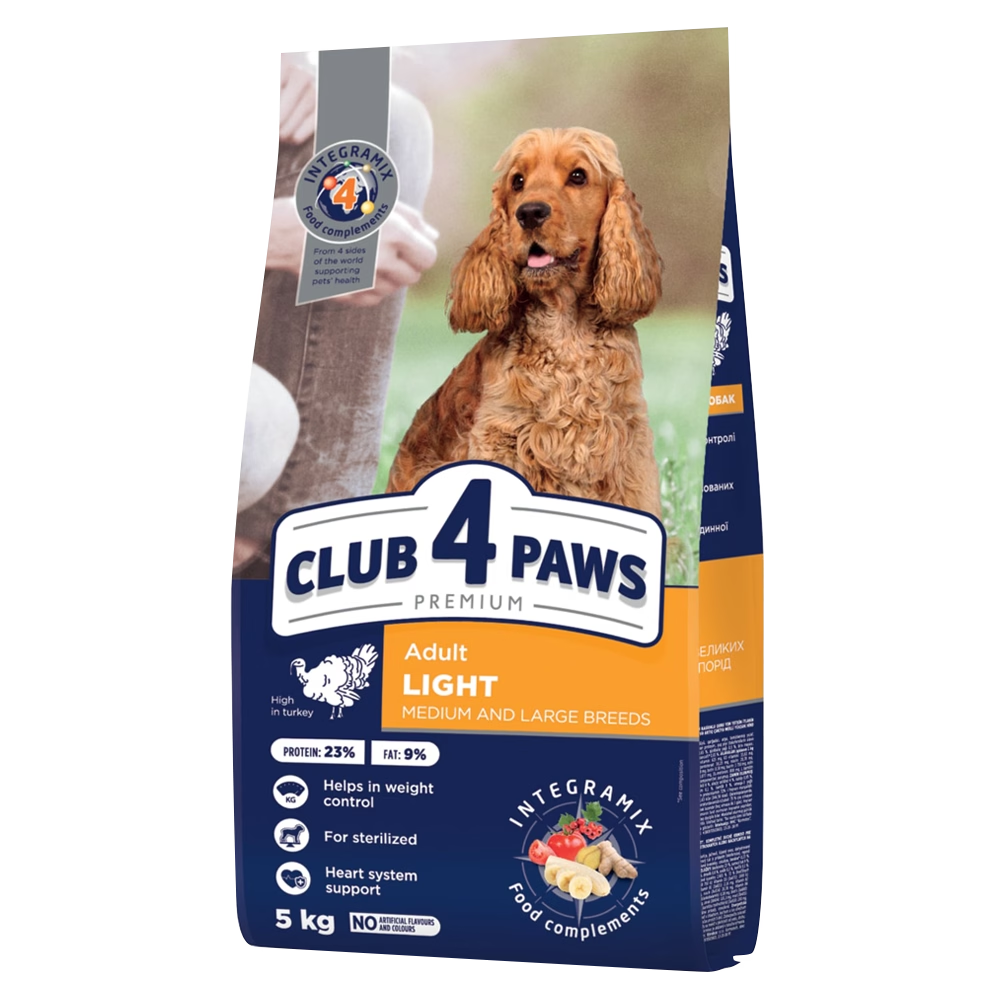 Club 4 Paws Premium Light Adult Dog Dry Food, Turkey for Medium and Large Breeds 5kg
Club 4 Paws
Club 4 Paws Premium Light Adult Dog Dry Food, Turkey for Medium and Large Breeds 5kg
Club 4 Paws
A light formula for medium and large dogs, useful when portion control alone has stopped working and you want the same bowl volume to carry fewer calories.
-
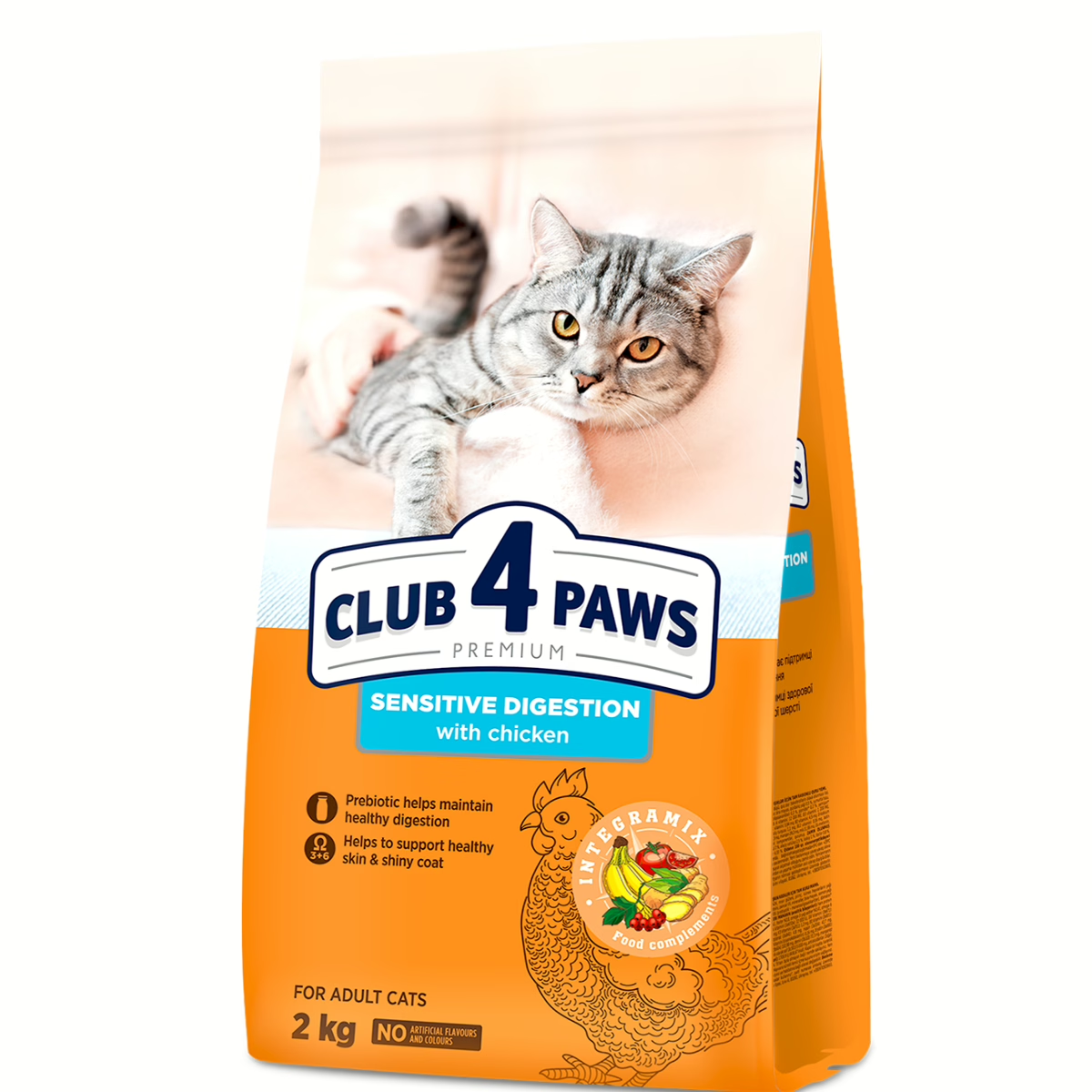 Sensitive Digestion, (Chicken)
Club 4 Paws
Sensitive Digestion, (Chicken)
Club 4 Paws
If cutting the portion produced loose stools rather than weight loss, the food is likely the problem, not the amount. Worth trying before you cut further.
-
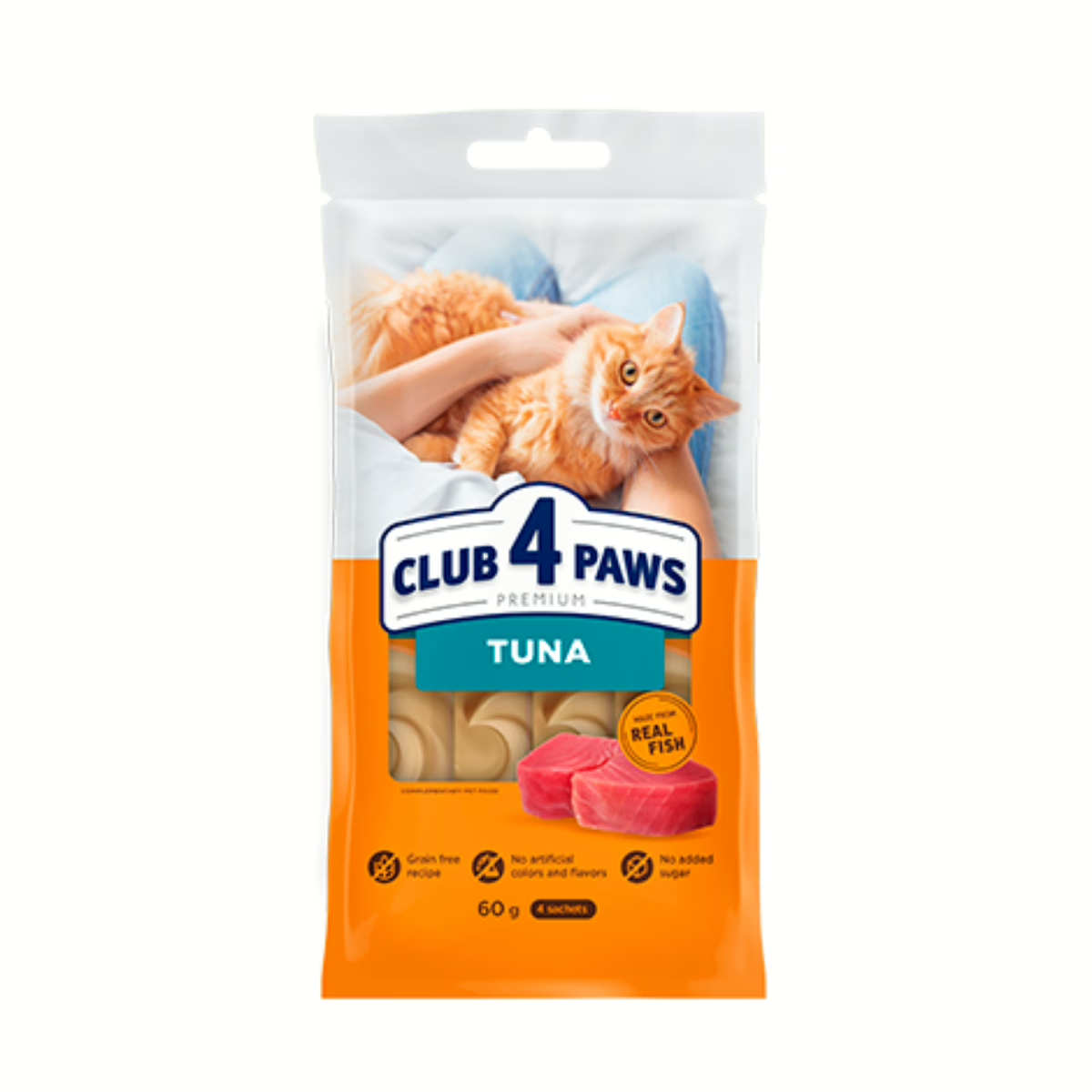 Creamy Cat Treat, Tuna (4 x 15g)
Club 4 Paws
Creamy Cat Treat, Tuna (4 x 15g)
Club 4 Paws
Portioned into small tubes, which makes the ten percent rule easy to hold to. Far easier to budget than a bag you pour from.
Questions we get asked
Should I feed once or twice a day?
Split the daily amount across two meals for most cats and dogs. It steadies hunger and reduces the begging that leads to extra treats. The total across the day is what matters, not the number of meals.
My cat finishes the bowl in a minute and cries for more. Am I underfeeding?
Usually not. Speed of eating and vocal demand are poor signals, especially in a neutered cat where appetite rose while requirement fell. Trust the rib check over the noise. A slow feeder bowl or splitting the same amount into three servings helps more than adding food.
How do I count wet and dry food together?
Work in fractions, not grams. If you give one pouch and the pouch is about a third of the daily calories, feed two thirds of the usual dry portion that day. Both labels give a daily amount for the animal weight, so compare against those two numbers rather than mixing units.
How fast should weight come off?
Slowly. Roughly one to two percent of body weight per week is the safe range, and cats in particular must not lose weight fast because rapid loss can cause serious liver problems. If the weight is not moving after a month of a reduced portion, that is a vet conversation, not a reason to cut harder.